Dana Schmitt · 16 October 2026
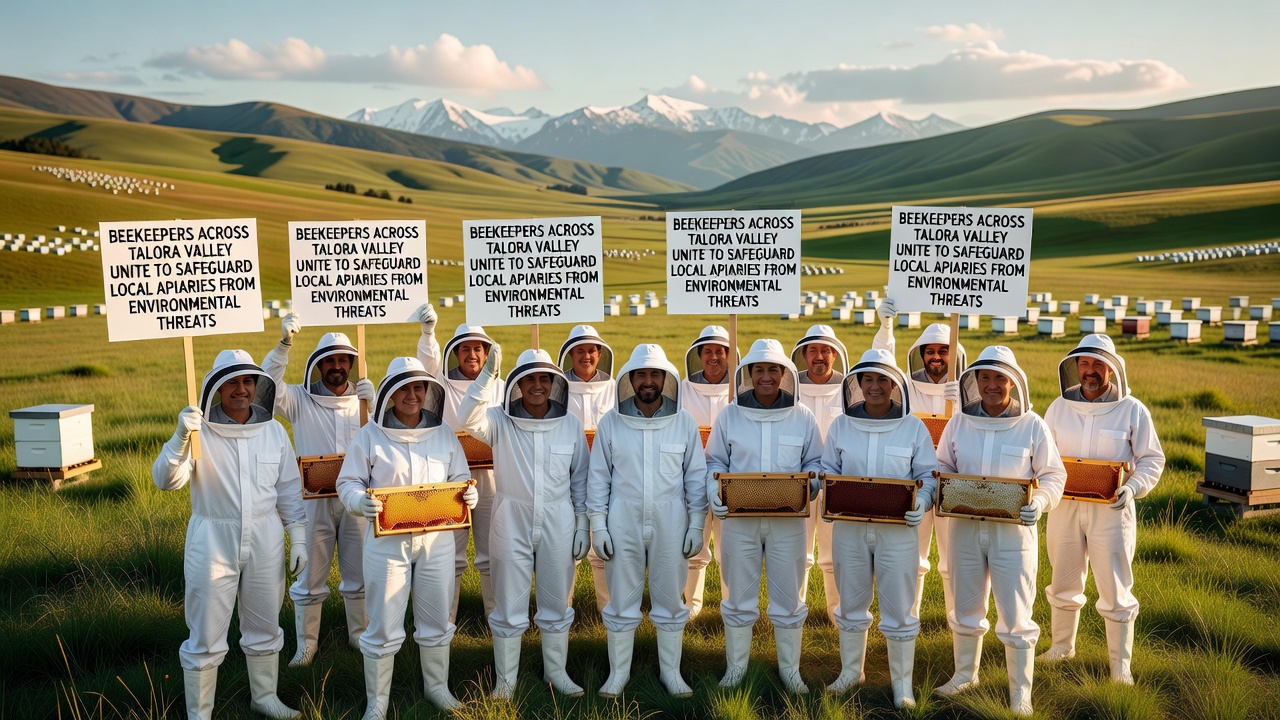
Beekeepers Across the Talora Valley Form Coalition to Protect Apiaries from Environmental Threats
Beekeepers across the Talora Valley have established a coordinated coalition that brings together local keepers, regional agricultural experts, and environmental monitoring groups to address pressures on apiaries including habitat fragmentation, pesticide exposure, and shifting climate patterns that affect forage availability and hive health.
Records from the valley show that apiary numbers have fluctuated over the past decade while colony losses have correlated with periods of prolonged drought and changes in flowering schedules for native plants, data that prompted the initial meetings among keepers who operate scattered sites along the valley floor and adjacent slopes.
Environmental Pressures Documented in the Region
Researchers tracking pollinator populations have recorded reduced access to diverse floral resources in areas where land use has shifted toward intensive cropping and where invasive plant species have displaced traditional nectar sources, conditions that force beekeepers to supplement feeding or relocate hives more frequently than in previous decades.
Monitoring stations operated by agricultural extension services have logged temperature anomalies and altered precipitation patterns that extend the active season for certain pests while shortening the window for optimal honey production, and these observations align with broader findings reported through international pollinator health networks.
Formation of the Valley-Wide Coalition
Representatives from more than forty apiaries convened in early 2025 to draft shared protocols for hive placement, pest monitoring, and collective purchasing of untreated forage seed mixes that support wildflower corridors along field margins and waterways, measures designed to create continuous habitat strips that connect fragmented patches of natural vegetation.
The coalition adopted a rotating leadership structure in which each participating keeper hosts quarterly field days, allowing members to observe firsthand how different microclimates within the valley influence colony performance and to share records on varroa mite counts and winter survival rates.
Actions Implemented Since the Coalition Began
Participants have mapped existing apiary locations against soil and vegetation data layers provided by regional planning offices, identifying priority zones where hedgerow plantings and reduced-spray buffer strips can be established with support from local landowners who lease portions of their holdings for forage improvement.
Training sessions organized through the coalition have introduced standardized record-keeping templates that track colony strength, supplemental feeding dates, and any observed symptoms of nutritional stress, data that feed into an aggregated database maintained by a university-affiliated research team studying regional pollinator trends.
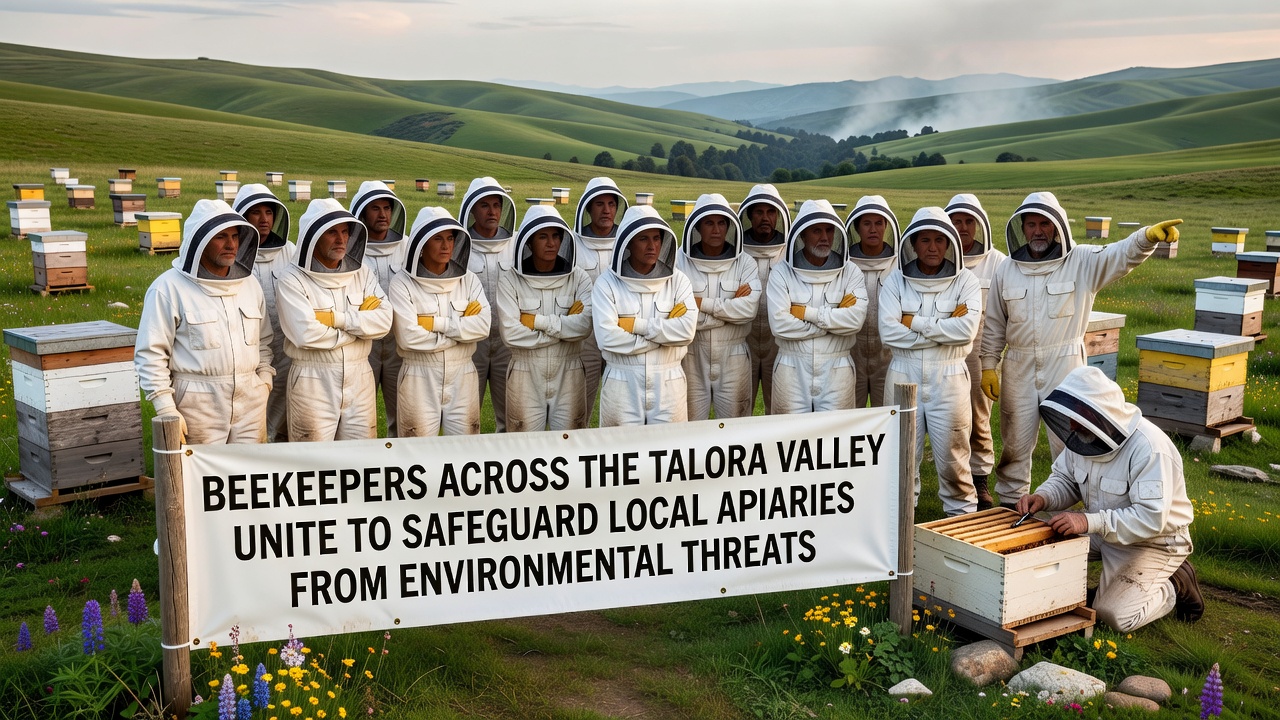
Equipment-sharing arrangements have emerged among smaller operations that lack the capital for specialized monitoring tools, allowing members to borrow digital scales, temperature loggers, and portable microscopes on a scheduled basis while contributing to a common fund for replacement parts and calibration services.
October 2026 Gathering and Next Steps
Plans call for a valley-wide symposium scheduled for October 2026 that will include presentations from agronomists on cover-crop varieties suited to local soils, updates from meteorological services on projected seasonal outlooks, and workshops on constructing low-cost windbreaks that shelter hives from increasingly frequent extreme weather events.
Invitations have extended to representatives of neighboring valleys who have expressed interest in adopting similar cooperative models, and organizers expect the event to produce a set of best-practice guidelines that can be adapted for publication through agricultural extension channels.
Broader Context from External Research
Studies conducted by the European Food Safety Authority have highlighted interactions between multiple stressors on honeybee colonies across Mediterranean-type climates, while data compiled by the Australian Government Department of Agriculture demonstrate measurable improvements in colony resilience when keepers coordinate landscape-level habitat enhancements rather than acting independently.
These findings have informed teh Talora coalition's emphasis on collective rather than individual responses, particularly in zones where single apiaries lack sufficient influence to negotiate changes in adjacent land-management practices.
Conclusion
The coalition continues to refine its monitoring network and expand partnerships with landowners and research institutions, building a body of localized data that supports evidence-based adjustments to hive management throughout the valley while contributing observations to larger-scale pollinator studies.