Dana Schmitt · 1 October 2026
Talora's Seasonal Festivals Ignite Fresh Interest in Regional Storytelling Traditions
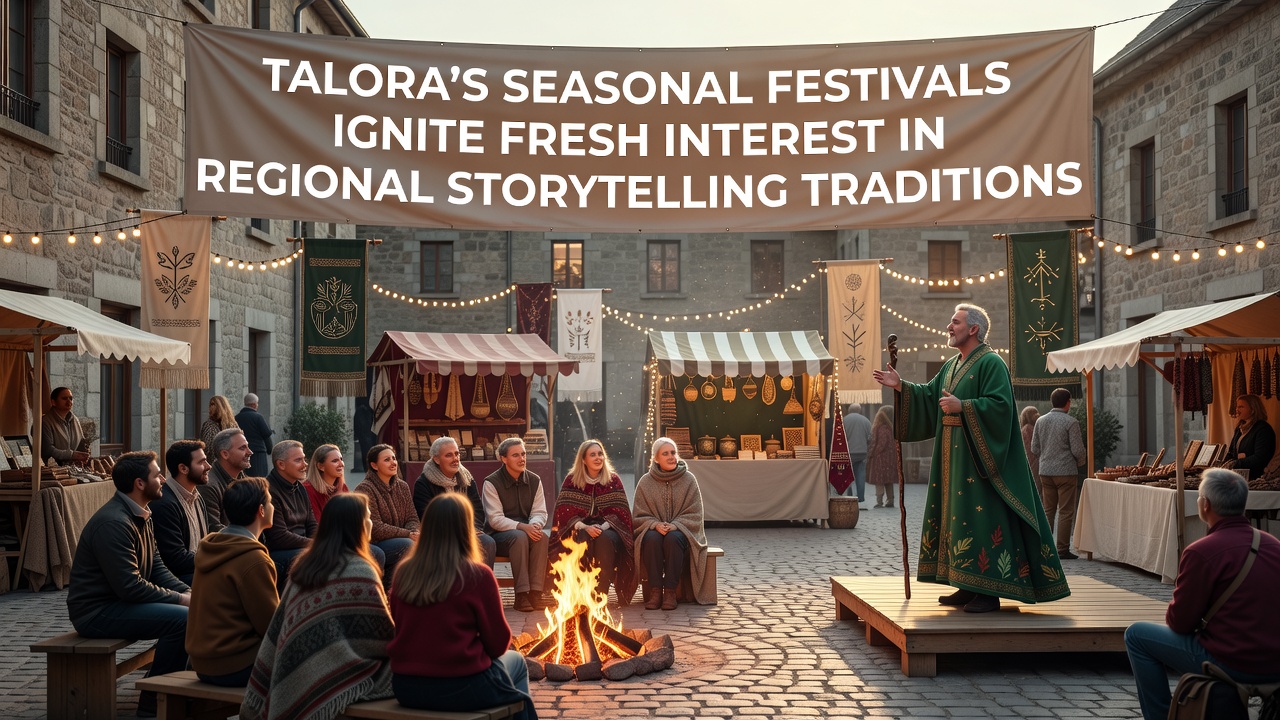
Seasonal festivals across Talora draw increasing numbers of participants who gather to hear and share oral narratives rooted in the area's agricultural cycles, mountain passes, and coastal trade routes, and these events have gained momentum since organizers expanded programming to include workshops on dialect preservation alongside evening performances. Data from regional tourism offices shows attendance at the autumn cycle rose steadily through 2025, with projections indicating further growth when the October 2026 schedule opens with multi-day programs centered on harvest legends and migration stories. Organizers coordinate with local schools so students prepare short performances that blend traditional motifs with contemporary settings, while elders recount versions passed down through family lines. Researchers at the University of Genoa documented how repeated exposure to these performances correlates with higher rates of dialect use among younger residents in surrounding villages.
Origins and Structure of the Festival Calendar
Talora's festival year follows the rhythms of olive pressing, grape harvest, and winter solstice gatherings, and each season features distinct storytelling formats that range from competitive tale-telling contests to collaborative map-making sessions where participants chart narrative paths across physical landscapes. Spring events emphasize renewal themes drawn from river valley histories, whereas summer programs incorporate seafaring accounts collected from fishing communities along the Ligurian coast. Autumn gatherings, scheduled to peak again in October 2026, focus on preservation of seed-saving knowledge encoded in folktales, and winter sessions shift indoors to explore hearthside accounts of craft guilds and market exchanges. Local archives supplied source material for many scripts, allowing performers to reference specific 19th-century documents that record variations in plot and character across neighboring hamlets. One study from the European Institute of Cultural Heritage noted that communities maintaining at least four annual storytelling events showed stronger continuity in material culture practices such as textile patterns and tool-making techniques.
Community Participation and Educational Outreach
Schools throughout the region integrate festival content into language classes, and teachers report that students who attend multiple sessions demonstrate improved retention of local vocabulary lists compared with control groups using only textbooks. Volunteer networks recruit bilingual facilitators who translate key phrases for visitors, yet the core performances remain in the original dialects to maintain authenticity. Take one researcher who noticed that children asked to retell stories after the events often inserted modern details such as electric tractors or smartphone references, showing how traditions adapt without losing core structures. Figures from the Italian Ministry of Culture indicate that grant funding for these educational components increased by 18 percent between 2023 and 2025, supporting expanded rehearsal spaces and recording equipment. Observers note that intergenerational pairs frequently form during the workshops, with grandparents supplying forgotten details that younger relatives then dramatize for public presentation.
Regional Impact and Documentation Efforts
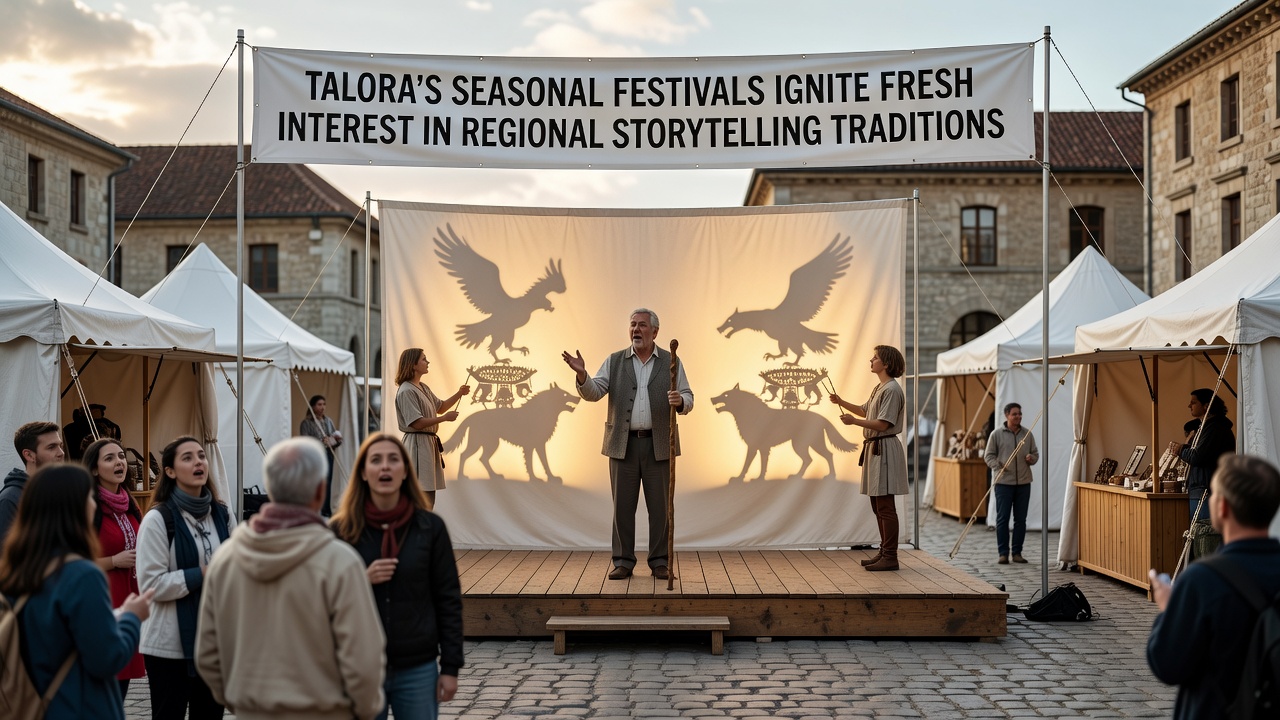
Digital archives now host recordings from the past five festival seasons, and these collections allow researchers to track shifts in emphasis from cautionary tales about overfishing to contemporary accounts of sustainable tourism. The Australian Institute of Aboriginal and Torres Strait Islander Studies maintains similar programs that emphasize community-controlled documentation, and Talora organizers referenced those models when designing consent protocols for performer interviews. Local libraries host listening stations where residents can access earlier versions of the same stories, and usage statistics reveal peak visits during the weeks immediately following each festival. But here's the thing: when organizers added live-stream options for the 2025 autumn events, remote participation from expatriate communities rose sharply, creating new audiences who later submitted their own variant endings collected from family members abroad. What's interesting is how these contributions sometimes reintroduce elements absent from current local tellings, prompting performers to revisit source manuscripts for verification.
Future Programming and October 2026 Outlook
Planning documents for the October 2026 cycle list expanded evening sessions at historic quarry sites now used as amphitheaters, and coordination with nearby municipalities will allow shuttle services that reduce vehicle traffic during peak attendance hours. Programmers intend to feature joint performances between Talora storytellers and invited groups from Piedmont and Tuscany, focusing on shared motifs involving chestnut groves and transhumance routes. Training sessions scheduled earlier in the year will prepare new facilitators in recording techniques that meet standards set by the Smithsonian Center for Folklife and Cultural Heritage, ensuring consistent audio quality across venues. Those who've studied this know that sustained funding remains essential, yet current sponsorship from regional agricultural cooperatives covers venue costs through 2027. And yet the core remains unchanged: live, unamplified narration delivered in open-air settings where audiences sit close enough to observe subtle gestures that convey meaning beyond spoken words.
Conclusion
Seasonal festivals in Talora continue to serve as living repositories for regional narratives, connecting documented history with evolving community memory through repeated public performance. Attendance trends and educational partnerships demonstrate measurable effects on language retention and cultural documentation practices. With the October 2026 program already outlined, organizers expect further expansion of both in-person and archived access points while preserving the intimate scale that distinguishes these events from larger commercial festivals elsewhere.